Top Uses of Digital Dentistry: How Clinics Improve Efficiency and Accuracy
2025-07-05 |
Top Uses of Digital Dentistry: How Clinics Improve Efficiency and Accuracy
Introduction
Modern dentistry is no longer just about treatment—it’s about delivering faster, more precise, and more efficient care. However, traditional workflows can still slow clinics down, relying on manual impressions, lab delays, and multiple patient visits.
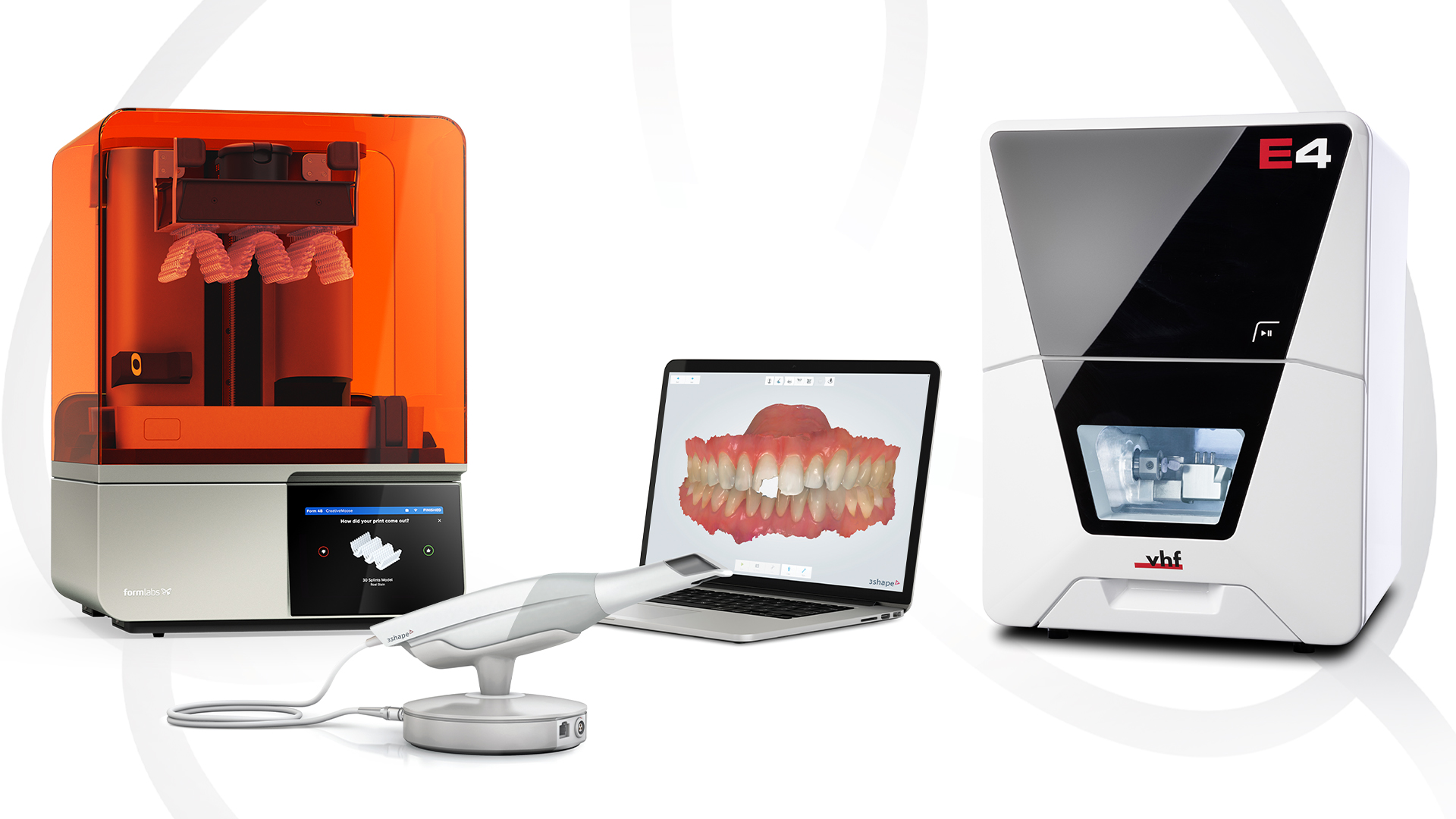
With the rise of digital dentistry technologies, clinics can now work smarter. From digital scanning to in-clinic production, these tools allow dentists to streamline procedures, improve accuracy, and enhance patient experience.
Across Iraq and the Kurdistan Region, more clinics are adopting digital solutions to stay competitive and meet the growing expectations of patients.
In this article, we explore:
- What digital dentistry is
- How digital workflows are used in clinics
- Why adoption is increasing in Iraq
- The key benefits for dentists and patients
- Challenges and Limitations
Table of contents
What Are the Uses of Digital Dentistry?. 2
Why Dentists Are Using Digital Dentistry. 2
Key Uses of Digital Dentistry in Modern Clinics. 3
How Digital Dentistry Technologies Are Used in a Clinical Workflow (step-by-step). 5
Digital vs Traditional Methods in Common Dental Procedures. 6
Limitations of Digital Dentistry. 6
Al Sharaa Dental Solutions: Leading Digital Dentistry Solutions in Iraq. 7
Looking to upgrade your clinic with digital dentistry technologies?. 7
What Are the Uses of Digital Dentistry?
Digital dentistry uses refer to the different ways digital technologies are applied in dental diagnosis, treatment planning, and restoration production.
These technologies allow dentists to replace traditional manual processes with digital workflows that are faster, more accurate, and more predictable. From capturing digital impressions to designing restorations and producing them inside the clinic, digital dentistry improves every stage of the treatment process.
As a result, dentists can deliver higher-quality care while improving efficiency and reducing treatment time.
Why Dentists Are Using Digital Dentistry
Dental clinics around the world are moving toward digital workflows, and this trend is growing rapidly in Iraq. Dentists are increasingly adopting digital technologies to improve both clinical performance and patient experience.
The main reasons include:
- The need for faster treatment delivery
- Increased demand for higher accuracy and precision
- The importance of improving patient comfort and experience
- Better communication between clinics and dental laboratories
Digital dentistry also allows dentists to perform procedures that once required multiple visits in fewer appointments. In some cases, treatments such as crowns and restorations can be completed in a single visit, which improves efficiency and patient satisfaction.
Key Uses of Digital Dentistry in Modern Clinics
Intraoral Scanners (Digital Impressions)
Intraoral scanners are one of the most widely used digital tools in dentistry. They allow dentists to capture highly accurate 3D images of a patient’s teeth and gums within minutes.
This technology replaces traditional impression materials, which can be uncomfortable for patients and prone to errors. Digital impressions are not only more comfortable but also more precise, leading to better-fitting restorations.
CAD/CAM Restorations
CAD/CAM (Computer-Aided Design and Manufacturing) systems are used to design and produce dental restorations digitally.
These systems are commonly used for:
- Crowns
- Bridges
- Veneers
- Inlays and onlays
One of the biggest advantages of CAD/CAM technology is the ability to produce restorations inside the clinic, reducing the need for external laboratories. This can significantly shorten treatment time and improve workflow efficiency.
In addition, CAD/CAM systems improve the precision and fit of restorations by using accurate digital data from intraoral scans. This leads to better clinical outcomes and fewer adjustments during placement.
Implant Planning and Surgical Guides
Digital dentistry plays a key role in implant treatment planning. Using 3D imaging and specialized software, dentists can plan implant placement with high accuracy.
Digital tools allow dentists to:
- Analyze bone structure, density, and volume
- Plan the exact position, angle, and depth of implants
- Identify key anatomical structures such as nerves and sinuses
- Create surgical guides for precise placement
These digital workflows improve the accuracy and predictability of implant procedures, reducing the risk of errors during surgery. Surgical guides created from digital planning data ensure implants are placed exactly as intended.
In addition, digital planning enhances communication between the dentist and the dental lab, allowing for better coordination in complex cases.
Orthodontics and Clear Aligners
Digital dentistry has transformed orthodontic treatment, especially with the use of clear aligners.
Applications include:
- Digital scans for accurate treatment planning
- Designing custom aligners tailored to each patient
- Simulating tooth movement before treatment begins
- Monitoring treatment progress through digital tracking
This allows orthodontic treatments to be more precise, efficient, and personalized, improving both clinical results and patient experience.
3D Printing in Dentistry
3D printing is becoming an essential part of modern dental clinics. It is used to produce a wide range of dental products quickly and efficiently.
Common uses include:
- Dental models
- Surgical guides
- Temporary restorations
- Orthodontic appliances
3D printing reduces production time, allowing clinics to create dental products more quickly. It also gives dentists greater control over the treatment process, leading to more precise and consistent results.
Digital Smile Design
Digital smile design allows dentists to create a visual preview of the patient’s final results before treatment begins.
This improves:
- Patient understanding of the treatment
- Communication between dentist and patient
- Confidence in treatment decisions
It also helps dentists plan aesthetic treatments more accurately.
How Digital Dentistry Technologies Are Used in a Clinical Workflow (step-by-step)
Digital dentistry applications are often connected within a single workflow that improves both efficiency and accuracy in the clinic.
Step 1: Data Collection
The process begins with capturing detailed digital data using intraoral scanners or 3D imaging systems. This creates an accurate digital model of the patient’s teeth and oral structures.
Step 2: Digital Planning
The collected data is used in software to plan treatments, design restorations, or simulate outcomes such as implant placement or orthodontic movement.
Step 3: In-Clinic Production
Once the design is finalized, restorations or dental components are produced using milling machines or 3D printers, either inside the clinic or through a digital lab.
Step 4: Clinical Application
The final restoration or treatment is completed and delivered with improved precision, often reducing the need for multiple appointments.
Benefits of Digital Technologies in Dental Clinics
For Clinics
- • Shorter treatment times and more efficient workflows
- • Greater control over treatment quality
- • Reduced reliance on traditional lab processes
- • Improved consistency in clinical results
- • Better integration between diagnosis and treatment
For Patients
- • Faster and more convenient treatments
- • Less discomfort during procedures
- • Fewer visits to the clinic
- • More predictable and accurate outcomes
Digital vs Traditional Methods in Common Dental Procedures
|
Area |
Traditional Method |
Digital Approach |
|
Impressions |
Physical molds |
Digital scans |
|
Restorations |
Lab-based |
In-clinic or digital lab |
|
Implant Planning |
2D planning |
3D digital planning |
|
Orthodontics |
Manual adjustments |
Digital aligners |
|
Workflow |
Slower |
Faster and more efficient |
Limitations of Digital Dentistry
While digital dentistry offers many advantages, there are still some limitations:
- Initial investment: Equipment such as scanners and milling machines can be costly
- Learning curve: Training is required to use digital systems effectively
- Not suitable for all cases: Some complex treatments may still require traditional methods
- Technology dependence: Systems require maintenance and updates
Despite these limitations, digital dentistry continues to grow and is becoming a key part of modern dental practice.
Frequently Asked Questions
What are the main uses of digital dentistry?
Digital dentistry is used for restorations, implant planning, orthodontics, treatment planning, and 3D printing applications.
Is digital dentistry accurate?
Yes. Digital tools provide highly accurate results, improving treatment outcomes and precision.
Can digital dentistry reduce treatment time?
Yes. Many procedures can be completed faster, and some treatments can be done in a single visit.
Is digital dentistry suitable for all clinics?
Most clinics can benefit from digital dentistry, depending on their needs and available equipment.
Al Sharaa Dental Solutions: Leading Digital Dentistry Solutions in Iraq
Alsharaa Dental Solutions supports dental clinics across Iraq in transitioning to modern digital workflows with confidence. By providing advanced technologies such as intraoral scanners, CAD/CAM systems, 3D printing, and chairside solutions, we help dentists improve clinical performance, increase efficiency, and deliver better patient care.
With a strong focus on practical implementation and continuous support, we work closely with clinics to ensure a smooth and successful transition from traditional methods to fully digital workflows.
Looking to upgrade your clinic with digital dentistry technologies?
Get in touch with Alsharaa Dental Solutions to discover how the right technology can help you deliver faster treatments, improve accuracy, and enhance patient experience.
Share On :
Recent Posts
- Digital Dentistry in Iraq: How Modern Clinics Improve Patient Care
- Top Uses of Digital Dentistry: How Clinics Improve Efficiency and Accuracy
- How to Go Digital in Dentistry: A Guide for Modern Dental Practices
- How AI is Revolutionizing CAD Design for Dentists
- Your Lab Inside Your Clinic: The Smartest Investment You’ll Ever Make
- Premium Crown Resin & Hybrid Ceramic Crowns: Advancing Digital Dentistry in Iraq
- Wet vs Dry Milling: Choosing the Right Method for Chairside Dentistry
- Why Zirconia Cannot Be Used for Same-Day Dentistry in Clinics
- What to Buy First: Scanner, Milling Machine, or 3D Printer?
- Common Challenges in Digital Dental Workflows (and How to Fix Them)
- 3D Printed Crowns: The Future of Fast and Precise Dental Restorations