Your Lab Inside Your Clinic: The Smartest Investment You’ll Ever Make
2025-07-29 |
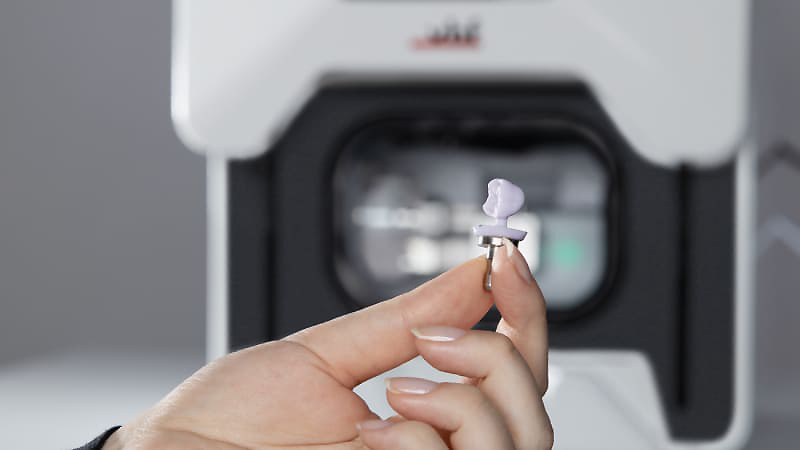
Your Lab Inside Your Clinic: The Smartest Investment You’ll Ever Make
Introduction
The idea of having an entire dental lab inside your clinic has always been both fascinating and transformative. For many dentists, relying on external laboratories has long been part of the traditional workflow—often leading to delays, limited control over outcomes, and increased operational costs. This separation between clinic and lab can slow down treatment and impact the overall patient experience.
Today, with the rapid advancement of digital dentistry, it is now possible to bring that entire laboratory inside your clinic and manage the full process in-house. Modern technologies such as intraoral scanners, CAD/CAM systems, chairside milling, and 3D printing allow dentists to take full control of their workflow—from digital impression to final restoration—within a single environment.
This shift is not just about convenience; it represents a fundamental change in how dentistry is delivered. Clinics can now reduce turnaround times, improve accuracy, and provide faster, more predictable treatments while enhancing patient satisfaction and trust.
In this article, we explore:
- What it truly means to have your lab inside your clinic
- How digital workflows make this possible
- Why it is one of the smartest investments for modern dental practices
Table of contents
What Does “Your Lab Inside Your Clinic” Mean?. 2
Why Dentists Are Moving Toward In-Clinic Labs. 2
Key Technologies Behind In-Clinic Digital Dentistry Workflows. 3
Step-by-Step Digital Workflow in the Clinic. 4
Benefits of Having a Lab Inside Your Clinic. 4
Digital vs Traditional Workflow.. 5
Challenges and Considerations. 5
Ready to bring your lab inside your clinic?. 6
What Does “Your Lab Inside Your Clinic” Mean?
“Your lab inside your clinic” refers to a fully integrated digital workflow that allows dentists to design, produce, and deliver restorations directly within their own practice, without relying on external dental laboratories. This concept transforms the traditional treatment process by bringing every stage of production into a single, controlled clinical environment.
By combining advanced technologies such as intraoral scanning, CAD design software, chairside milling, and 3D printing, dentists gain complete control over the entire workflow—from initial diagnosis and treatment planning to final restoration placement. This level of integration not only improves efficiency but also enhances accuracy, consistency, and communication throughout the process.
As a result, clinics can reduce turnaround times, minimize errors, and deliver faster, more predictable outcomes while providing a smoother and more comfortable experience for patients.
Why Dentists Are Moving Toward In-Clinic Labs
Modern dental clinics are increasingly shifting toward in-house digital workflows to improve efficiency and gain greater control over treatment outcomes. By integrating digital technologies inside the clinic, dentists can streamline procedures, reduce delays, and ensure more consistent and predictable results.
This transition allows clinics to operate more independently while maintaining higher clinical standards and improving overall workflow performance.
Key Reasons
- Reduced dependence on external labs
- Faster turnaround time for restorations
- Greater control over design and quality
- Improved patient experience
- Increased clinic productivity
This shift is especially important in competitive markets like Iraq, where clinics are rapidly adopting digital dentistry technologies to stay ahead. By bringing the lab inside the clinic, practices can respond more quickly to patient needs, deliver treatments in fewer visits, and differentiate themselves through speed, precision, and innovation.
Key Technologies Behind In-Clinic Digital Dentistry Workflows
To successfully bring the lab inside your clinic, several advanced digital technologies must work together seamlessly. Each component plays a critical role in creating a fully integrated workflow that enables dentists to move from diagnosis to final restoration with greater speed, accuracy, and control.
These technologies are not standalone tools—they are part of a connected system that enhances efficiency, improves communication, and ensures predictable clinical outcomes.
Intraoral Scanners
Intraoral scanners are used to capture highly accurate digital impressions of the patient’s teeth and soft tissues. Unlike traditional impression materials, digital scanning is faster, more comfortable for patients, and eliminates many common errors associated with physical impressions. The result is a precise 3D model that serves as the foundation for the entire digital workflow.
CAD Design Software
CAD (Computer-Aided Design) software allows dentists to design restorations digitally with a high level of precision and customization. Using this software, clinicians can visualize the final outcome, adjust occlusion, refine margins, and ensure optimal fit before production begins. This step significantly improves predictability and reduces the need for remakes or adjustments.
Chairside Milling Machines
Chairside milling machines are responsible for producing restorations such as crowns, veneers, inlays, and onlays directly inside the clinic. These machines use pre-fabricated material blocks and mill them into the desired restoration based on the digital design. This enables same-day treatment by eliminating the need to send cases to external laboratories.
3D Printing
3D printing technology is increasingly used in dental clinics for a wide range of applications, including surgical guides, diagnostic models, temporary restorations, and orthodontic appliances. It adds flexibility to the workflow and allows clinics to produce customized solutions quickly and efficiently.
Step-by-Step Digital Workflow in the Clinic
Step 1: Digital Scan
The dentist captures a precise 3D impression using an intraoral scanner.
Step 2: Digital Design
The restoration is designed using CAD software based on the patient’s anatomy.
Step 3: In-Clinic Production
The restoration is milled or printed inside the clinic.
Step 4: Finishing and Placement
The restoration is finished, adjusted, and placed in the same visit.
Benefits of Having a Lab Inside Your Clinic
- Faster treatment delivery (same-day dentistry)
- Reduced laboratory costs
- Improved accuracy and consistency
- Higher patient satisfaction
- Greater clinical control
- Enhanced communication within the workflow
Digital vs Traditional Workflow
|
Feature |
Traditional Workflow |
Digital In-Clinic Workflow |
|
Impressions |
Physical |
Digital scan |
|
Turnaround time |
Several days |
Same day |
|
Lab dependency |
High |
Minimal |
|
Patient comfort |
Lower |
Higher |
|
Control |
Limited |
Full control |
Challenges and Considerations
While the benefits are significant, clinics should consider:
- Initial investment in digital equipment
- Training and team adaptation
- Workflow integration
- Choosing the right materials (e.g., when zirconia requires lab processing)
With proper planning and support, these challenges can be effectively managed.
Frequently Asked Questions
Is having an in-clinic lab suitable for all dental practices?
Most modern clinics can benefit from in-house digital workflows, especially those focusing on restorative and cosmetic dentistry.
How long does it take to see a return on investment?
The return on investment depends on patient volume and workflow efficiency, but many clinics begin seeing results within months.
Can all restorations be done inside the clinic?
Not all. Some materials like zirconia may still require laboratory processing due to sintering requirements.
Does this improve patient experience?
Yes. Patients benefit from fewer visits, faster treatment, and greater comfort.
Final thoughts
Bringing the lab inside your clinic is no longer a luxury—it is a strategic investment that transforms how dental care is delivered.
By adopting digital dentistry technologies, clinics can reduce treatment time, improve precision, and enhance patient satisfaction while gaining full control over their workflow.
As the dental industry continues to evolve, clinics that invest in digital workflows today will be better positioned for long-term success.
Alsharaa Dental Solutions: Driving the Future of Digital Dentistry in Iraq
With solutions that include intraoral scanning, CAD/CAM design systems, 3D printing, and chairside milling, Alsharaa enables clinics to bring greater speed, accuracy, and control into their workflows. This approach allows dentists to reduce treatment time, improve communication within the workflow, and deliver more consistent clinical outcomes.
By offering ongoing support, practical training, and workflow optimization, Alsharaa Dental Solutions helps clinics build modern, self-sufficient practices that are better equipped to meet the growing demands of today’s dental patients.
Ready to bring your lab inside your clinic?
Contact Alsharaa Dental Solutions to discover how intraoral scanners, CAD/CAM systems, and chairside solutions can help you build a faster, more efficient, and more profitable digital workflow.
Share On :
Recent Posts
- Digital Dentistry in Iraq: How Modern Clinics Improve Patient Care
- Top Uses of Digital Dentistry: How Clinics Improve Efficiency and Accuracy
- How to Go Digital in Dentistry: A Guide for Modern Dental Practices
- How AI is Revolutionizing CAD Design for Dentists
- Your Lab Inside Your Clinic: The Smartest Investment You’ll Ever Make
- Premium Crown Resin & Hybrid Ceramic Crowns: Advancing Digital Dentistry in Iraq
- Wet vs Dry Milling: Choosing the Right Method for Chairside Dentistry
- Why Zirconia Cannot Be Used for Same-Day Dentistry in Clinics
- What to Buy First: Scanner, Milling Machine, or 3D Printer?
- Common Challenges in Digital Dental Workflows (and How to Fix Them)
- 3D Printed Crowns: The Future of Fast and Precise Dental Restorations