Digital Dentistry in Iraq: How Modern Clinics Improve Patient Care
2025-07-05 |
Digital Dentistry in Iraq: How Modern Clinics Are Transforming Patient Care
Introduction
As they say, if you plan to practice bad dentistry, stay away from digital. Today, more than ever, dentistry has become highly competitive, where accuracy, efficiency, and patient comfort define the standards of care.
Traditional dental procedures, such as physical impressions and extended laboratory turnaround times, can delay treatment, compromise quality, cause patient discomfort, and often require multiple appointments.
With digital dentistry technologies, clinics can now use advanced tools to scan, design, and produce dental restorations with greater accuracy and consistency, while reducing treatment time and enhancing the overall quality of care.
Across Iraq and the Kurdistan Region, the demand for digital dental clinics is increasing as practices adopt these technologies to improve workflow efficiency and elevate the patient experience.
In this article, we will explain:
- • What digital dentistry is
- • How the digital workflow works in dental clinics
- • Why clinics in Iraq are rapidly adopting this technology
- • The advantages it offers for dentists and patients
- • Where to find a reliable digital dentistry provider in Iraq
Table of contents
Contents
Why Dental Clinics in Iraq Are Switching to Digital Dentistry. 3
Key Technologies Behind Digital Dentistry. 3
Digital Dentistry Workflow (Step‑By‑Step guide) 5
Benefits of Digital Dentistry for Dental Clinics 5
Digital Dentistry vs Traditional Dentistry. 6
Limitations of Digital Dentistry. 7
Alsharaa Dental Solutions: Iraq’s Leading Brand in Digital Dentistry. 7
Ready to bring digital dentistry to your clinic?. 8
What Is Digital Dentistry?
Digital dentistry is the use of digital tools and technology to diagnose, plan, and perform dental treatments.
These technologies include:
- • Intraoral scanners to take digital impressions
- • 3D imaging systems to view teeth and bone structures
- • CAD software to design restorations
- • CAM milling machines to produce crowns and bridges
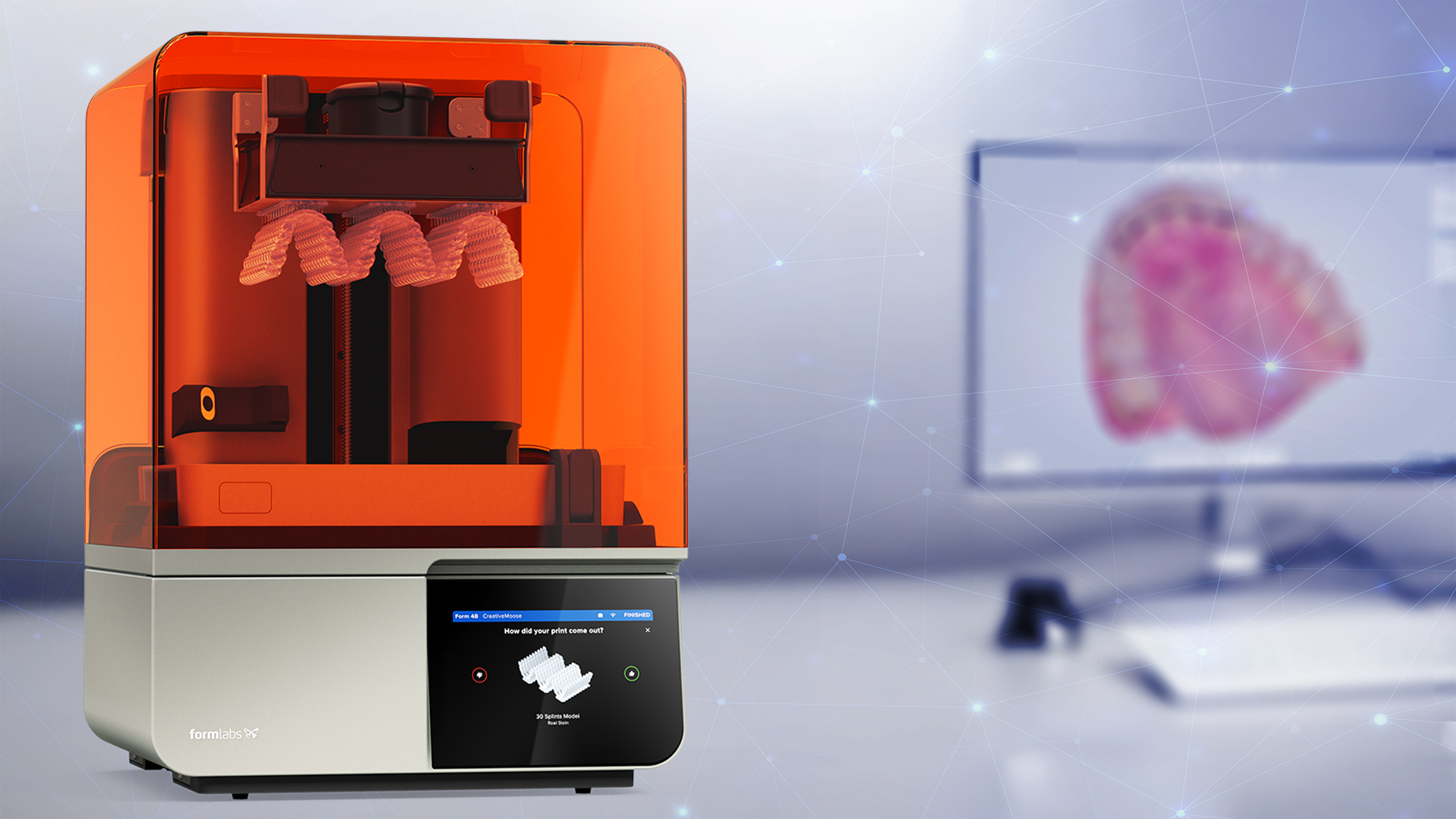
- • 3D printers to create dental models and surgical guides
Together, these technologies create a digital workflow in dentistry, allowing patient data to be captured, processed, and transferred electronically throughout the treatment process.
Instead of relying on traditional impressions and manual fabrication, dentists can work with precise digital models that improve efficiency and treatment predictability.
By integrating these systems, clinics can streamline communication with dental laboratories, reduce human error, and achieve more consistent restorative outcomes.
As a result, digital dentistry enables faster treatments, greater accuracy, and an overall improvement in patient care.
Why Dental Clinics in Iraq Are Switching to Digital Dentistry
Dental practices worldwide are rapidly transitioning toward digital workflows, and clinics in Iraq are beginning to follow this global trend.
Several factors are driving this shift:
- • Increased demand for faster treatment times
- • Growing patient expectations for comfortable procedures
- • The need for high precision restorations
- • Integration with modern implantology and orthodontics
Digital technologies make it possible to complete procedures that previously required multiple visits in a single appointment, improving both patient experience and clinic efficiency.
Key Technologies Behind Digital Dentistry
Intraoral Scanners
Intraoral scanners are handheld devices used to capture detailed 3D digital impressions of teeth and gums.
These scanners use optical sensors and imaging technology to produce highly accurate models of the patient’s mouth.
Digital scans replace traditional impression materials, improving both patient comfort and precision.
CAD Design Software
After scanning, the digital model is transferred to CAD (Computer-Aided Design) software, where dentists or technicians design restorations such as crowns, bridges, or veneers.
The software allows precise adjustments, ensuring optimal fit and function.
CAM Milling Machines
CAM (Computer-Aided Manufacturing) machines fabricate restorations directly from digital designs.
These machines mill restorations from materials like:
- • Zirconia
- • Ceramic
- • Composite resin
The integration of CAD and CAM allows dental restorations to be produced faster and with greater accuracy.
3D Printing in Dentistry
3D printing is also becoming a key part of digital dentistry. It is commonly used to produce:
- • Surgical guides
- • Orthodontic models
- • Clear aligners
- • Temporary restorations
Digital Dentistry Workflow (Step‑By‑Step guide)
Step 1: Digital Scan
The dentist scans the patient’s teeth using an intraoral scanner to create a digital impression.
Step 2: Digital Design
The scan is sent to CAD software, where the restoration is designed.
Step 3: Production
The design is sent to a milling machine or 3D printer to create the restoration.
Step 4: Placement
The dentist finishes and places the restoration in the patient’s mouth.
Benefits of Digital Dentistry for Dental Clinics
Digital workflows provide several advantages for modern dental practices.
Benefits for Clinics
- • Faster treatment workflow
- • Improved restoration accuracy
- • Reduced laboratory turnaround time
- • Better communication with dental labs
- • Higher productivity for dental teams
Benefits for Patients
- • More comfortable procedures
- • Fewer dental visits
- • Faster treatment completion
- • Improved aesthetic outcomes
Digital scanning can also reduce chair time and enhance patient comfort compared with traditional impression techniques.
Digital Dentistry vs Traditional Dentistry
|
Features |
Traditional Dentistry |
Digital Dentistry |
|
Impressions |
Physical materials |
Digital intraoral scan |
|
Accuracy |
Dependent on manual technique |
High precision digital models |
|
Treatment time |
Multiple visits |
Often same-day treatment |
|
Patient comfort |
Lower |
Higher |
|
Lab communication |
Physical models |
Instant digital transfer |
Frequently Asked Questions
Is digital dentistry suitable for all dental treatments?
Digital dentistry is commonly used for crowns, veneers, orthodontics, implants, and restorative procedures. However, complex cases may still require traditional laboratory workflows.
Are digital dental scans accurate?
Yes. Modern intraoral scanners capture highly detailed 3D images of the oral cavity, improving diagnostic accuracy and restoration fit.
Does digital dentistry reduce treatment time?
Yes. Many digital workflows allow dentists to design and fabricate restorations much faster, sometimes within a single appointment.
Is digital dentistry comfortable for patients?
Most patients find digital scanning more comfortable because it eliminates traditional impression trays and materials.
Limitations of Digital Dentistry
While digital dentistry offers many advantages, there are still some limitations to consider:
- • Initial investment: Digital equipment such as intraoral scanners, CAD/CAM systems, and 3D printers can require a significant upfront cost.
- • Learning curve: Dentists and clinic staff may need training to fully adapt to digital workflows and software.
- • Not suitable for every case: Some complex dental procedures may still require traditional laboratory techniques.
- • Technology dependence: Digital workflows rely on software and equipment that require regular maintenance and updates.
Digital Dentistry in Iraq
Iraq’s dental sector is rapidly catching up with global trends as clinics adopt digital dentistry technologies in their daily workflows. These solutions help practices improve treatment accuracy, increase efficiency, and deliver higher standards of patient care while remaining competitive.
With support from providers such as Alsharaa Dent, dentists now have access to advanced digital technologies tailored to the needs of the local market.
Whether you are practicing in Baghdad, Erbil, Basra, or other major cities, the future of dental care is closer than ever.
What was once considered an advanced concept—having a digital dental lab inside the clinic—is now becoming a practical reality for modern dental practices.
Alsharaa Dental Solutions: Iraq’s Leading Brand in Digital Dentistry
Alsharaa Dental Solutions is a leading provider of digital dentistry technologies in Iraq, helping dental clinics adopt modern workflows, including:
- • Intraoral scanning
- • CAD design systems
- • 3D printing technologies
- • Chairside milling solutions
Our mission is to help dentists implement advanced digital systems that improve treatment accuracy, efficiency, and patient satisfaction.
At Alsharaa Dent, we are not only witnessing the future of dentistry—we are actively helping clinics build it by providing the technologies and expertise needed to transition into fully digital workflows.
Ready to bring digital dentistry to your clinic?
Contact Alsharaa Dental Solutions to discover how intraoral scanners, CAD/CAM systems, and modern digital workflows can transform your dental practice.
Share On :
Recent Posts
- Digital Dentistry in Iraq: How Modern Clinics Improve Patient Care
- Top Uses of Digital Dentistry: How Clinics Improve Efficiency and Accuracy
- How to Go Digital in Dentistry: A Guide for Modern Dental Practices
- How AI is Revolutionizing CAD Design for Dentists
- Your Lab Inside Your Clinic: The Smartest Investment You’ll Ever Make
- Premium Crown Resin & Hybrid Ceramic Crowns: Advancing Digital Dentistry in Iraq
- Wet vs Dry Milling: Choosing the Right Method for Chairside Dentistry
- Why Zirconia Cannot Be Used for Same-Day Dentistry in Clinics
- What to Buy First: Scanner, Milling Machine, or 3D Printer?
- Common Challenges in Digital Dental Workflows (and How to Fix Them)
- 3D Printed Crowns: The Future of Fast and Precise Dental Restorations